
GUEST ROOMS
The guest rooms were originally located in the north-western part of the first floor. They were accessed through a corridor and a door in the Atrium. It is known from the original Hungarian design that the guest space was separated into three inter-connected rooms, two of which had doors leading to the corridor. The room in the westernmost part was used as a bathroom and was accessed from the adjacent room. The guest room walls were originally painted in cream colour and the woodwork in oak colour.
During Italian rule, this part of the palace was turned into offices. The bathroom was partitioned so that a narrow corridor was built leading from the Palace to the office building north of the Palace (annex to the Villa Corossacz, currently housing the Music School) which was purchased in 1912 by the Hungarian Governorship for office space. A new exit door was installed in the north wall with a covered passageway toward the office building, providing for faster and easier circulation of clerks.
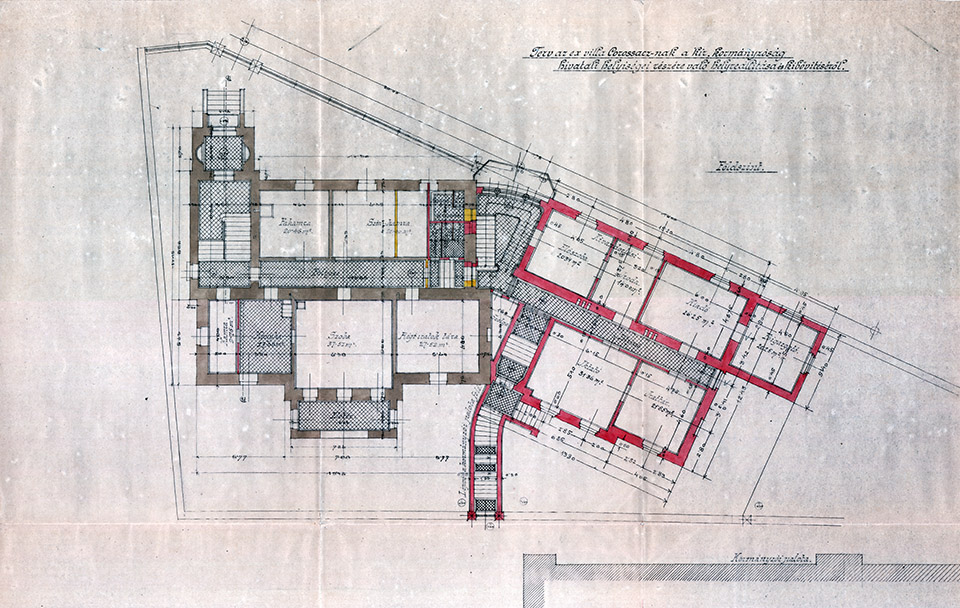
After World War II the two buildings were assigned separate functions and the communication was disrupted, yet preserved.
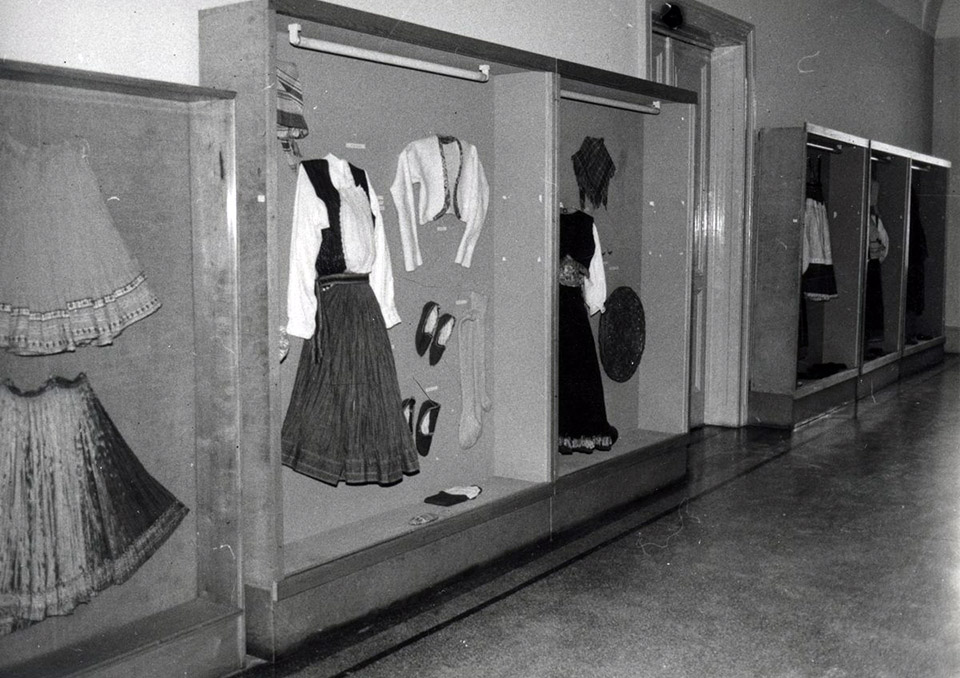
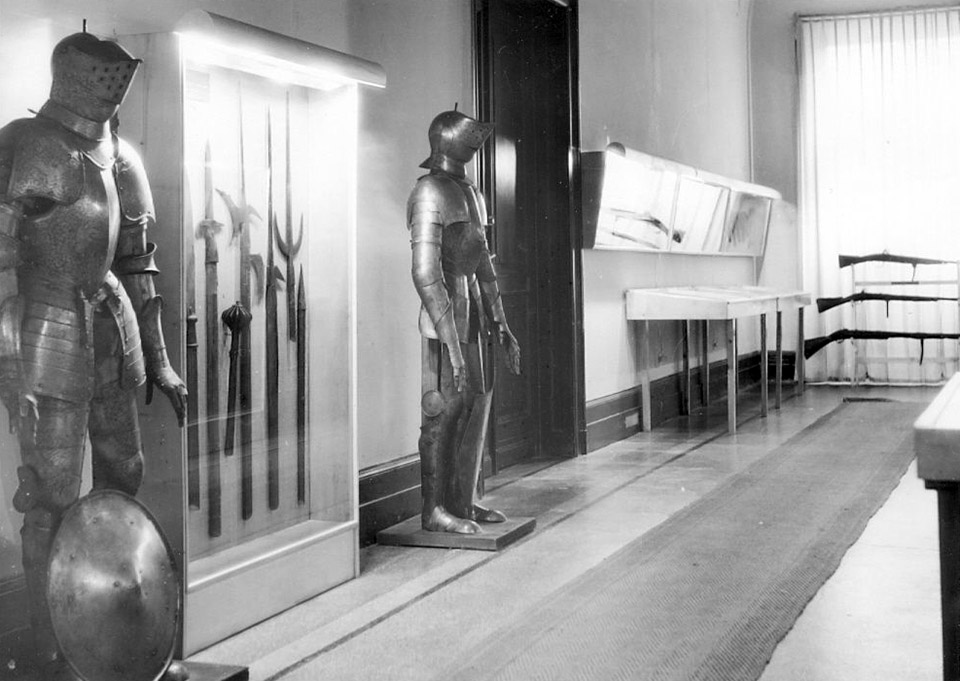
The permanent Ethnographic display was opened in 1975 in the corridor leading from the Atrium to the doors of the former guest rooms. In 1977 the display was moved to the ground floor, where the permanent display of the Weapons Collection was and remains today.
In 2006 the Education Cabinet, Museum Library and the Library Depository were set in the former guest rooms.