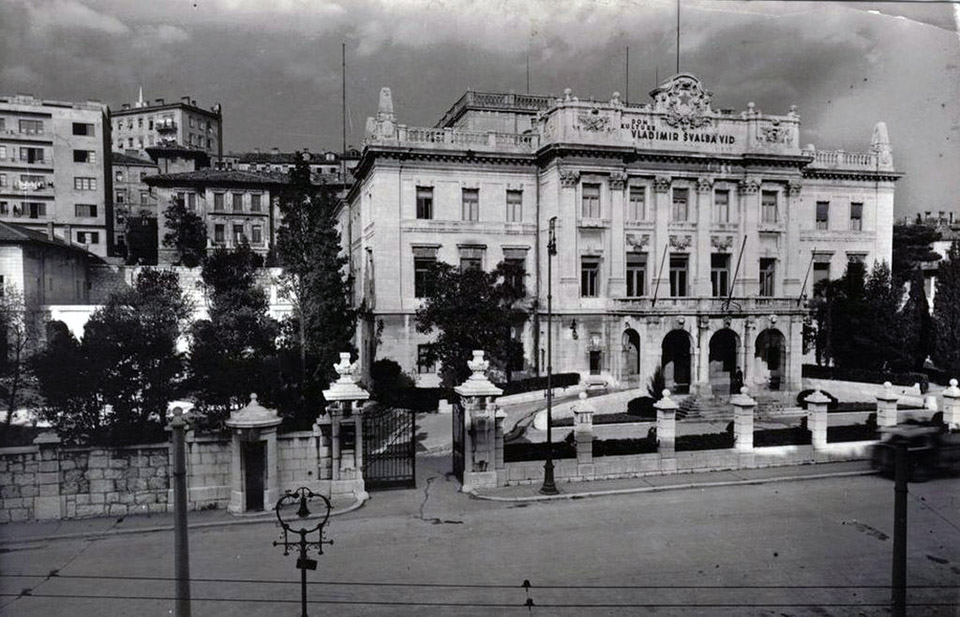

THE PALACE – A SYMBOL OF POLITICAL POWER
Until World War II, the Palace had a political function and was the seat of power; therefore the symbols on its façade were replaced accordingly.
Initially, the decorative cartouche on the façade attic held the Hungarian coat of arms and the Hungarian flag.
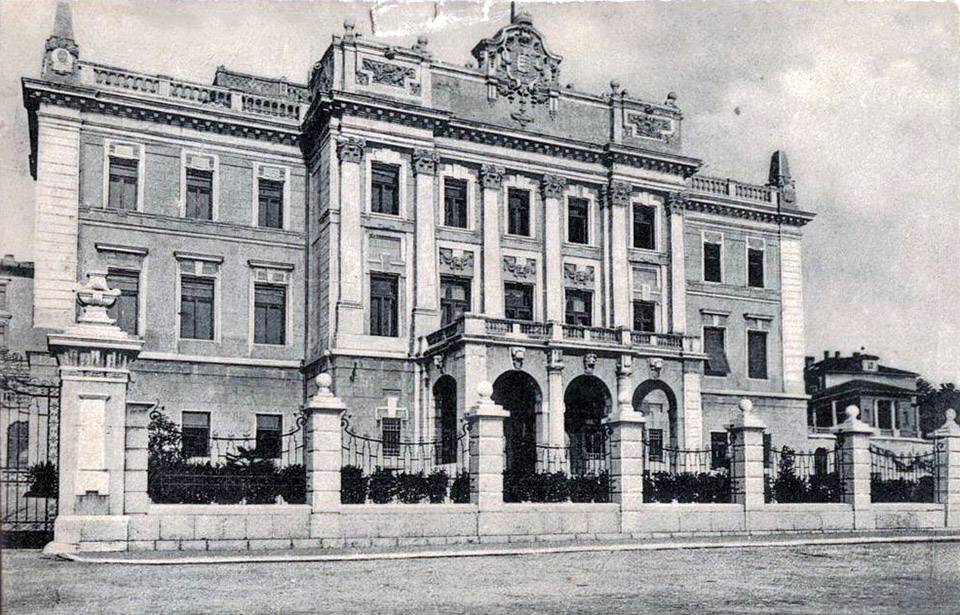
On 29 October 1918, when the last Hungarian governor, Count Zoltán Jekelfalussy, turned over the Governor’s Palace and power to representatives of the newly formed State of Serbs, Croats and Slovenes, the Hungarian coat of arms was covered by Rijeka’s carmine, yellow and blue flag and the Hungarian flag was replaced by the Croatian tricolour.
Later that year, on 17 November, Italian General Di San Marzano, a representative of the Italian National Council, moved into the Palace, assumed authority on behalf of Italy, the Allies and the United States of America and replaced the Croatian with the Italian flag.
One year later, on 12 September 1919, Gabriele D’Annunzio assumed authority in Rijeka and placed a star known as Stella di Fiume over the Hungarian coat of arms.
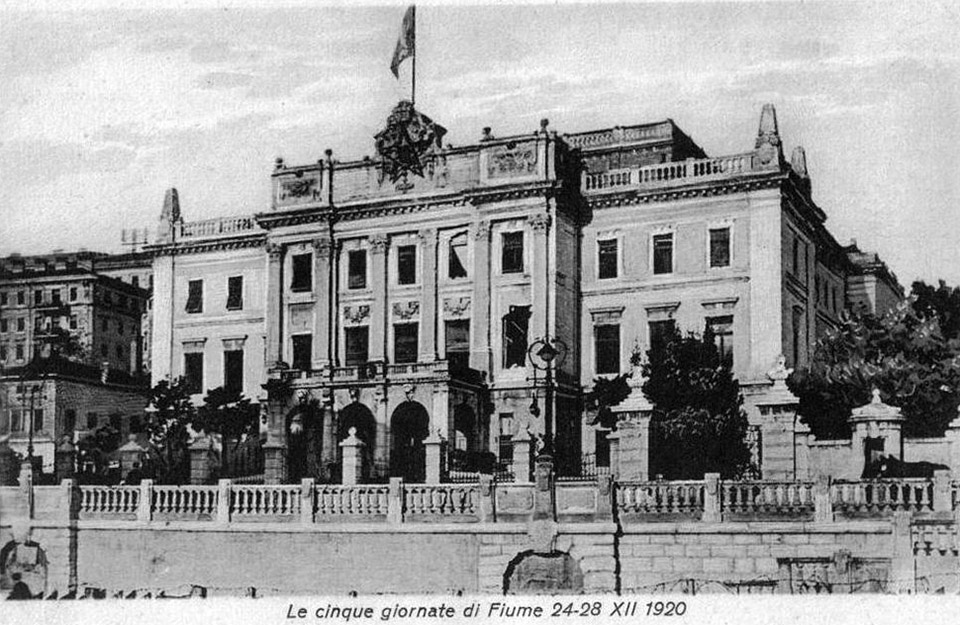
While evicting D’Annunzio from Rijeka on Christmas Day 1920, the Palace sustained an artillery strike from a gunboat that destroyed part of the façade and interior.
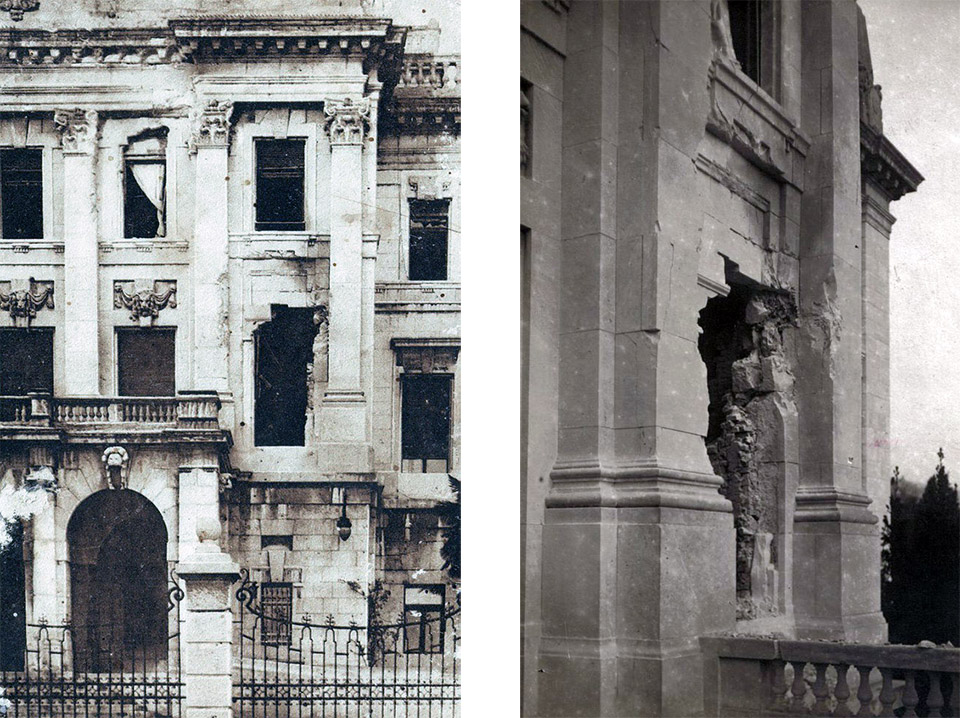
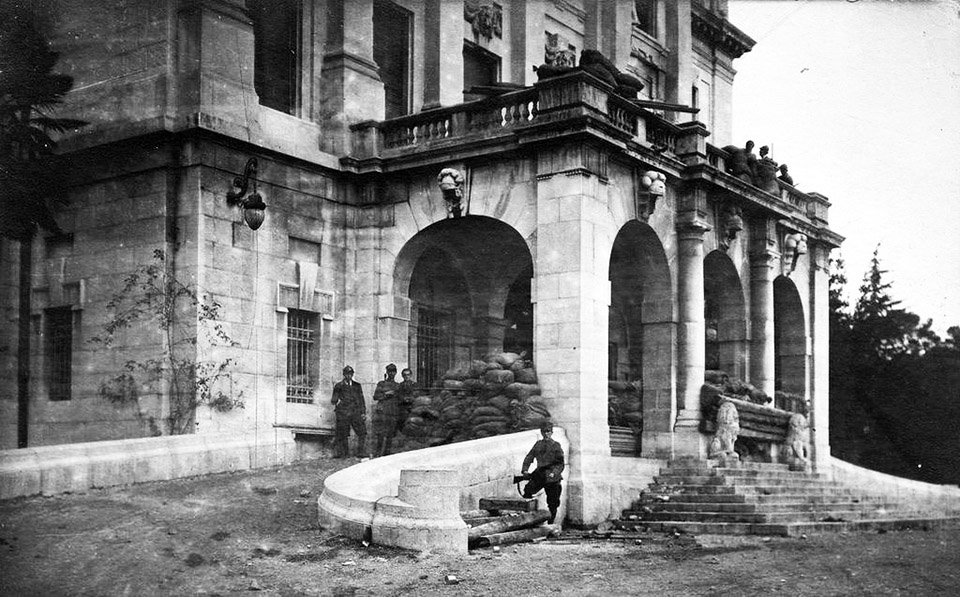
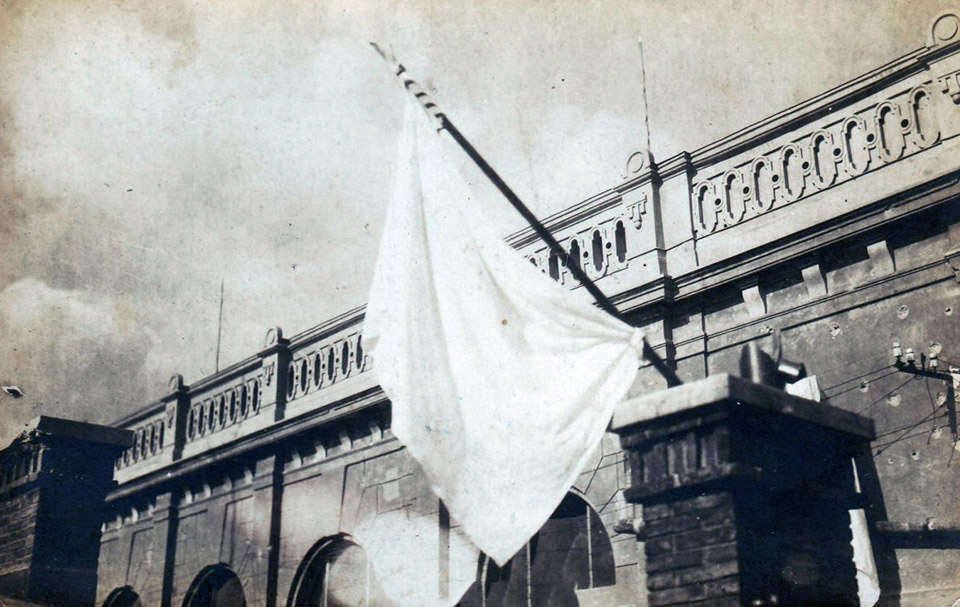
In September 1921, for a short while the Palace became the seat of the interim government of the Free State of Fiume headed by Riccardo Zanella. Six months later, the Palace was hit by 28 cannon shots under an Italian Fascist attack, forcing Zanella to surrender, and a white flag was raised on the Palace.
Gaetano Giardino, the interim military governor of Rijeka, ordered the reconstruction of the wall and façade before the Italian King Emanuel III officially declared the unification of Rijeka with the Kingdom of Italy on 16 March 1924.
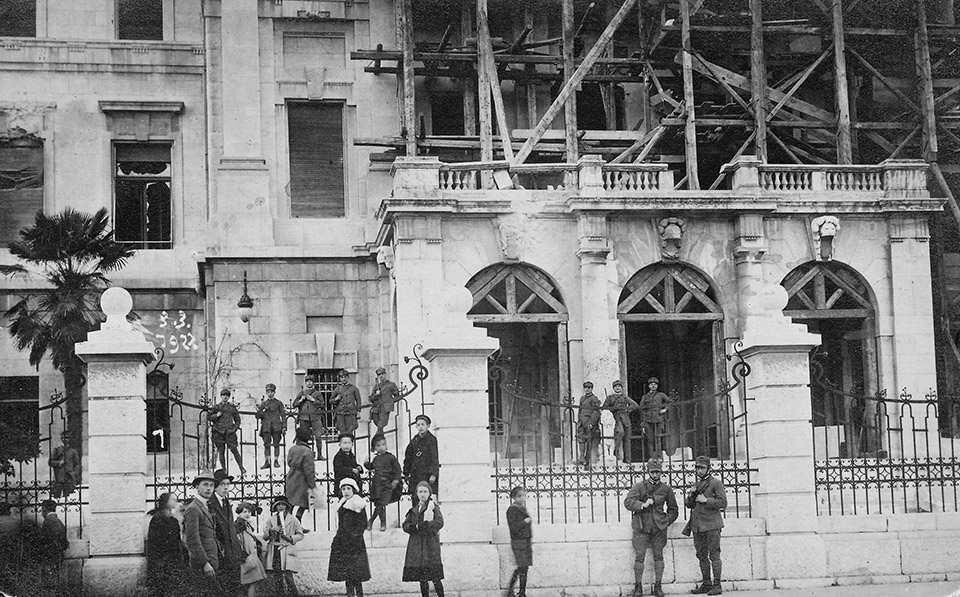
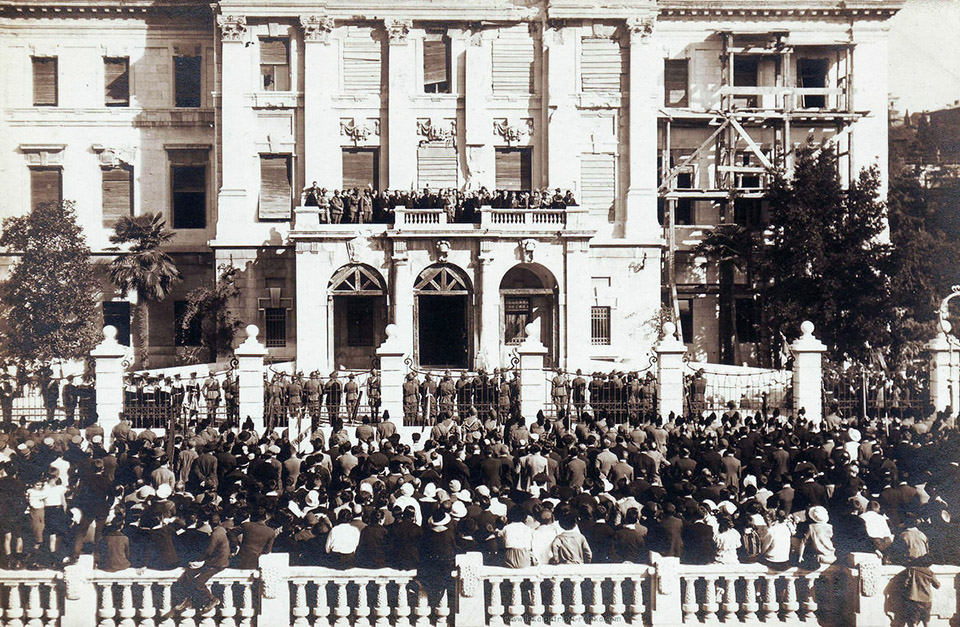
The Palace became the seat of the Province of Kvarner, the Kingdom of Italy’s coat of arms was installed on the façade, and four years later joined by the inscription “Palazzo del Governo” that can still be vaguely seen.
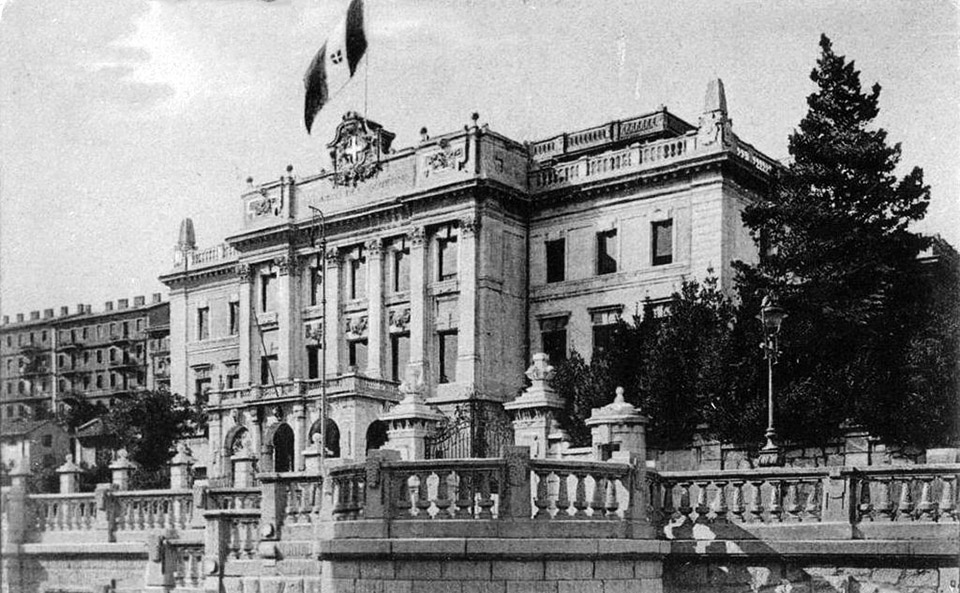
After World War II, the Palace housed the headquarters of the City People’s Liberation Committee. The Italian coat of arms and inscription were removed, and the five-pointed star was displayed in the cartouche.
The Palace in the Service of Culture
In mid-1947, after the Committee moved out of the Palace, a decision was made for the Palace to serve culture. It became the seat of the Culture Hall under which numerous associations and institutions operated, and the Vladimir Švalba Vid Culture Hall inscription was installed on the attic. After the Culture Hall was dissolved, the Palace became the seat of the Rijeka People’s Museum, whose successor is the Maritime and History Museum of the Croatian Littoral Rijeka., which has managed it ever since.